





Reviewed and updated: August 2026
Cannabis is a group of flowering plants that produce cannabinoids, terpenes and other compounds. People use cannabis for recreational, medical and industrial purposes. THC is the cannabinoid mainly responsible for intoxication, while CBD is not intoxicating. “Marijuana” and “weed” commonly refer to intoxicating cannabis; hemp refers to cannabis grown within a legally defined low-THC limit.
What is the cannabis plant?
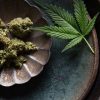
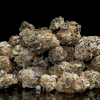
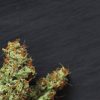
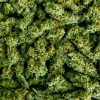
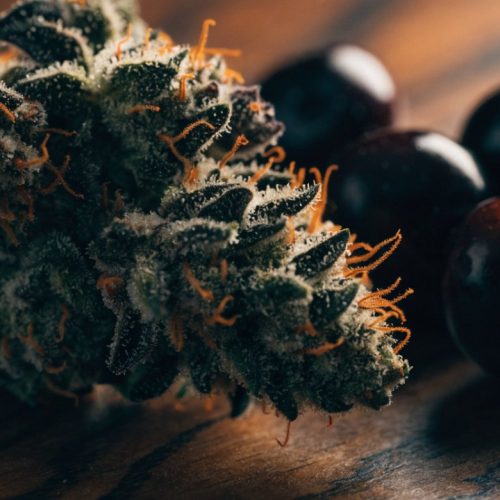
Cannabis is a flowering plant in the Cannabaceae family. Its resin-rich flowers contain compounds called cannabinoids. More than 100 cannabinoids have been identified, including delta-9-tetrahydrocannabinol (THC) and cannabidiol (CBD). The plant also produces aromatic compounds called terpenes.
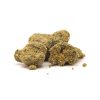
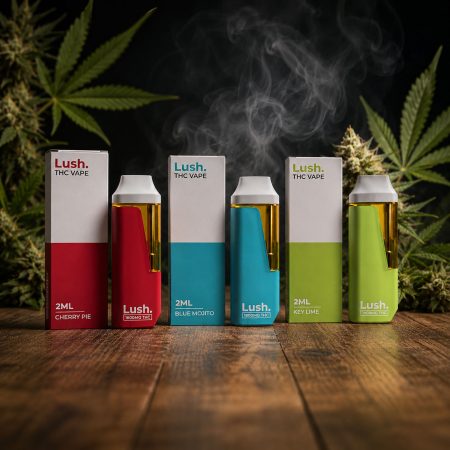
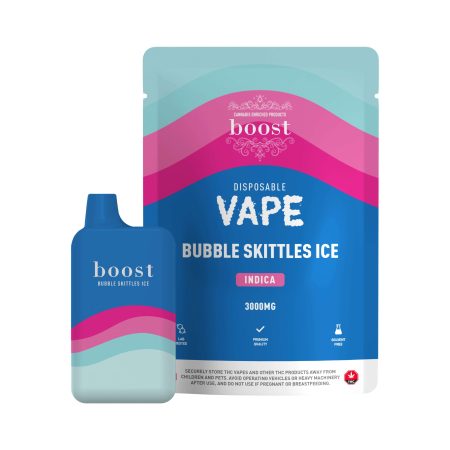
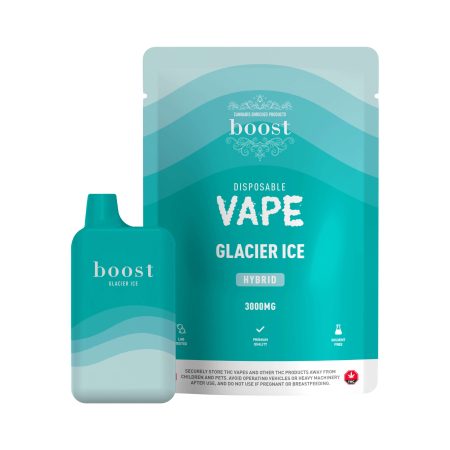
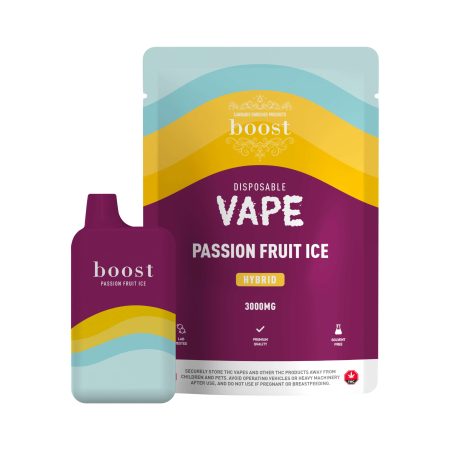
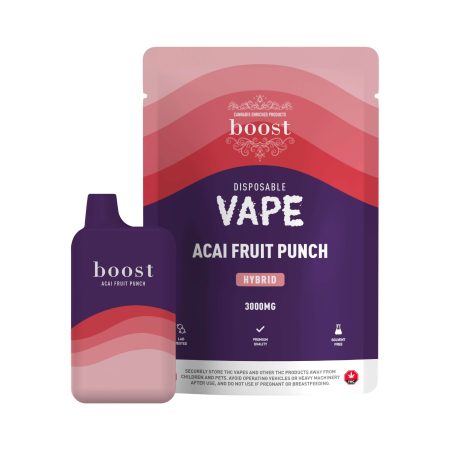
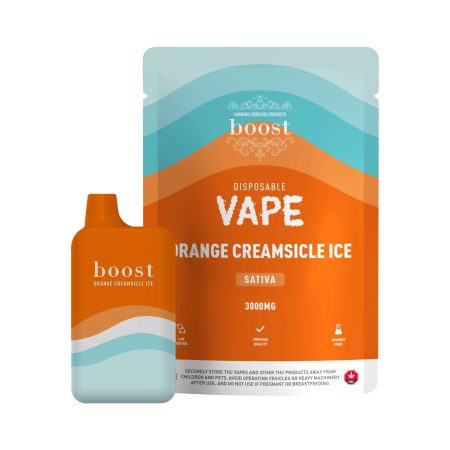
Cannabis products include dried flower, pre-rolls, oils, capsules, edibles, beverages, vape products, hash and other extracts. The effects and risks vary with the product, THC and CBD content, dose, route of use and the person consuming it.
Is cannabis the same as marijuana or weed?
In everyday conversation, cannabis, marijuana and weed often describe the same plant or its dried flowers. “Cannabis” is the preferred scientific and Canadian legal term. “Marijuana” is an older term that usually refers to THC-containing cannabis used for recreational or medical purposes. “Weed” is informal slang.
The words are not different species or chemical categories. A product’s cannabinoid content and form tell you more about its likely effects than whether someone calls it cannabis, marijuana or weed.
What is the difference between cannabis and hemp?
Hemp and marijuana can come from plants in the same Cannabis genus. The practical distinction is usually legal and chemical rather than botanical. Hemp is cultivated for fibre, seed, food ingredients or low-THC cannabinoid products and must meet the THC limit established by the relevant jurisdiction. Cannabis sold for intoxicating use generally contains more THC.
“Hemp-derived” does not automatically mean risk-free or THC-free. Read the product label and buy only through lawful channels.
What do THC and CBD do?
THC can produce a high and can impair memory, attention, coordination, reaction time and driving ability. It can also cause anxiety, panic, paranoia, dry mouth, red eyes, increased heart rate and drowsiness.
CBD does not produce a high, but it can still affect the brain and body and may interact with medications. A CBD-labelled product may also contain THC, so consumers should check the actual amounts on the label.
Is cannabis legal in Canada?
Cannabis is legal for adults under federal law, but federal, provincial, territorial and municipal rules all apply. Legal age, retail systems, public-use rules and home-growing rules differ by province or territory. Adults may generally possess up to 30 grams of legal dried cannabis, or its equivalent, in public. Knowing that cannabis is illicit is relevant under the Cannabis Act, so legalization does not make every seller or product lawful.
Frequently asked questions
Is cannabis a drug?
Yes. Cannabis contains active substances that affect the brain and body. THC is intoxicating; CBD is not intoxicating but is still pharmacologically active.
Are indica and sativa different from hemp and marijuana?
Yes. Indica and sativa are commonly used product or plant labels. Hemp is a regulated low-THC category. None of these labels replaces the need to check THC, CBD, dose and product type.
Does all cannabis make you high?
No. Whether a product causes intoxication depends mainly on its THC content, dose and how it is consumed.
Primary sources: Health Canada, “Cannabis and your health”; Justice Laws, Cannabis Act, section 8; Health Canada, “How to read and understand a cannabis product label.”





You must be logged in to post a comment.