









The cannabis plant contains a number of compounds with research-backed benefits for cancer patients. The science-based case that it is a safe and effective medicine will be made below, with plenty of links to double-blind studies, authoritative sources, and leading experts. The takeaway being that the plant and preparations derived from it can provide relief of cancer-related symptoms like pain, nausea, and inflammation. Some research has even shown that some cannabis compounds may slow cancer growth and shrink tumors.
Cannabis can also elevate your mood at critical moments, and even help you psychologically come to grips with the difficult times ahead. This is no small thing. Many of the medicines you will be prescribed, and procedures you will undergo—helpful as they may be—will leave you feeling depleted (to say the least).
Cannabis is restorative—to body and soul.
To laugh, to escape from pain and anxiety, to step outside one’s self and experience a moment of peace, or bliss, or both—what could be more healing? Now, I don’t have any studies to back up this particular claim, but I have seen it firsthand countless times in my 15 years of meeting cancer patients and writing about their relationship with medical cannabis. And that includes both people who had a lot of experience with cannabis before they got cancer and those who’d never even considered trying it before.
Now, it’s perfectly understandable if, after a century of anti-cannabis government propaganda, you’re skeptical about such anecdotal claims. But please don’t let that prevent you from further researching the subject. I believe any cancer patient who takes the time to review the breadth of evidence with an open mind will conclude that cannabis is an option worth trying, whether you’re undergoing chemotherapy or not.
The Case for Medical Cannabis

Let’s start with the bad news: Cannabis remains illegal even for medicinal use in many places around the world. This forces countless cancer patients every year to resort to the underground market, where they risk arrest for simply possessing a small amount of plant matter. Beyond that, it’s also important to understand that cannabis itself is not harmless.
But neither is water, if you drink too much.
So when we talk about the potential risks of cannabis, we need to talk not about it being “safe” or “dangerous,” but in terms of “relative harm.”
When it comes to cancer specifically, there’s been a number of landmark studies proving the safety and efficacy of cannabis.
The first ever study to show that cannabis exhibits anti-tumor propertieswas originally designed to demonstrate the plant’s dangers, specifically harm to the immune system. Funded by a grant from the American Cancer Society, research published in 1974 in The Journal of the National Cancer Instituteshowed that mice who had tumors surgically implanted and were then “treated for 20 consecutive days with THC” had reduced primary tumor size.
The government immediately pushed the offending study down the memory hole, and pushed on with the War on Cannabis, but three decades later, Dr. Manuel Guzman, professor of biochemistry at the University of Madrid, managed to follow up on the original 1974 experiments, with similar results. In the March 2000 issue of the journal Nature Medicine, Guzman reported that cannabinoids (like THC) not only shrink cancerous tumors in mice, they do so without damaging surrounding tissues.
A year later, a study published in the New England Journal of Medicine for the first time demonstrated the efficacy of THC for nausea and vomiting associated with chemotherapy.
“A day doesn’t go by where I don’t see a cancer patient who has nausea, vomiting, loss of appetite, pain, depression, and insomnia,” Dr. Donald Abrams, chief of hematology-oncology at San Francisco General Hospital and a professor of clinical medicine at the University of California, San Francisco told Newsweek for a 2013 article headlined Marijuana Is a Wonder Drug When It Comes to the Horrors of Chemo. “Cannabis is the only anti-nausea medicine that increases appetite.”
More recently, in 2017, the International Journal of Oncology published a report showing that cannabinoids produced naturally in a cannabis plant possess anti-cancer activity whether used alone or in conjunction with chemotherapy. While according to research by Yale Cancer Center, a majority of pediatric cancer providers now endorse the use of medical cannabis for children with advanced cancer.
Talking With Your Doctor
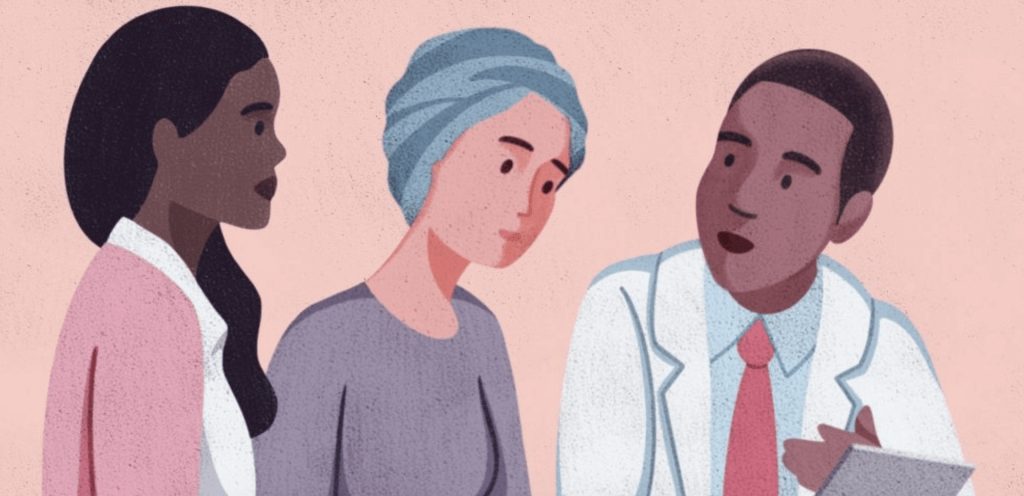
Many physicians and medical professionals (including cancer specialists) remain wholly unaware of the many ways cannabis can support those going through cancer treatments, so it’s important to show up to every appointment armed with as much information as possible. But you should be cautious as well, particularly if you live in a place where medical cannabis is not legal, and admitting to using cannabis could potentially lead to legal trouble, refusal of medical care, or problems with your insurance coverage.
So research thoroughly and choose you words carefully until you determine if you feel safe broaching the subject with your primary care physician and/or oncologist. Also, consider seeking out a cancer specialist who publicly embraces medical cannabis for a more thorough consultation on your particular needs.
How to Obtain Medical Cannabis
If you live in a place with either legal cannabis or legal medical cannabis, you should have no problem accessing what you need through a dispensary. There may be some legal hoops to jump through to sign up for your state’s medical cannabis program, but as a cancer patient you most certainly qualify.
The Leafly app can help you locate the best dispensary within a reasonable distance from where you live, and then you can search their menu online to make sure they’ve got the specific products you’re looking for before you pay them a visit.
Everything you find on a dispensary shelf should be lab tested for purity and potency, but it’s still a good idea to seek out cannabis grown without the use of chemical pesticides and fertilizers. Federal law prohibits using the word “organic” when it comes to cannabis, but there are third party certifications that mean the same thing, and certain companies only work with growers using organic methods.
If you live in a place without legal medical cannabis, you’ll have to first carefully weigh the potential benefits of having this medicine in your life against the risk of legal consequences.
The medical cannabis movement has been built on civil disobedience, and the foundational belief that any law preventing the seriously ill from accessing a proven medicinal plant should be actively subverted. So feel no shame, and don’t be afraid to ask for help. Think of a person in your life whom you trust, and who already has access to cannabis, and let them in on your situation.
Dosing Medical Cannabis

When it comes to identifying your ideal dosage, the most important thing to know is that you should start with very small amounts of cannabis and slowly increase them until you find what works best for you, without going overboard. This detailed dosage guide from Project CBD offers thorough information on how to optimize the benefits of medicinal cannabis.
It’s also vital to understand that different delivery methods will produce vastly different effects, including how quickly they onset and how long they last. Inhalation will have you feeling relief in less than a minute. Just start with a puff or two, see what happens in a couple of minutes, and then inhale more as needed.
Meanwhile, edibles can take up to 90 minutes to onset, and last for up to eight hours. That makes them ideal for long-term relief, but you run the risk of eating too much before you start to feel the effects. So until you get the hang of it, stick to low-dose edibles (five or ten milligrams of THC) and then slowly up your dose as needed—always waiting at least 2 hours between doses to account for the lag time.
Incorporating CBD-rich cannabis products into your regiment gives you access to another therapeutic cannabinoid, one that is also shown to reduce anxiety induced by larger doses of THC. (Note: small doses of CBD can enhance THC’s intoxicating properties, but large doses appear to counteractunwanted side effects.)
Be sure to remain well hydrated at all times, and ideally share the experience with a friend. Definitely stay home the first few times you use cannabis, particularly as you get used to the experience and while experimenting to find your optimal dose.
Mixing cannabis with alcohol is not a good idea. Mixing it with your favorite music and a game of stoned Scrabble, however, is really fun.
Choosing a Delivery Method

Pharmaceutical Cannabinoids
Several pharmaceutical drugs have been developed using either synthetic cannabinoids (like the THC drug Marinol), or plant derived blends of THC and CBD (like Sativex from GW Pharmaceuticals). What these products all have in common is that they’re inferior to whole plant cannabis (and whole plant cannabis derived products) in terms of efficacy and price.
As Dr. Lester Grinspoon, a retired Harvard Medical School professor and longtime leading medical cannabis researcher put it:
Needless to say, the pharmaceutical industry is increasingly devoting its massive resources to the development of cannabinoid analogs or other products which can compete with herbal marijuana. But none of these products will be as inexpensive or useful as herbal marijuana. Legality, not efficacy, is their major appeal.
Cannabis Flowers
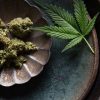
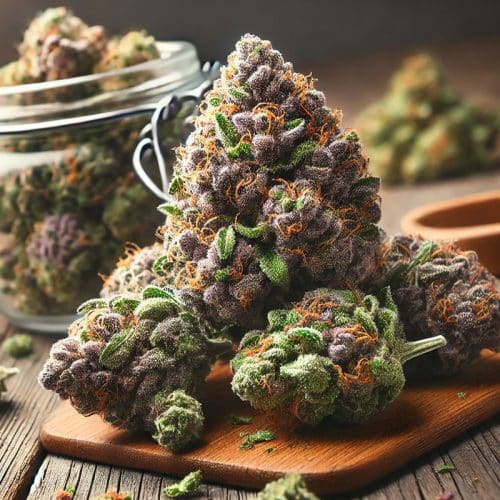
Also known as “buds,” the dried flowering tops of female cannabis plants are ideal for smoking and vaporizing. If possible, get yourself a high quality portable vaporizer. Vaporizing is a lot less work for your lungs than smoking and you’re much less likely to have a painful coughing fit. Here’s a recent consumer test done by The Wirecutter that will give you lots of options by price range.
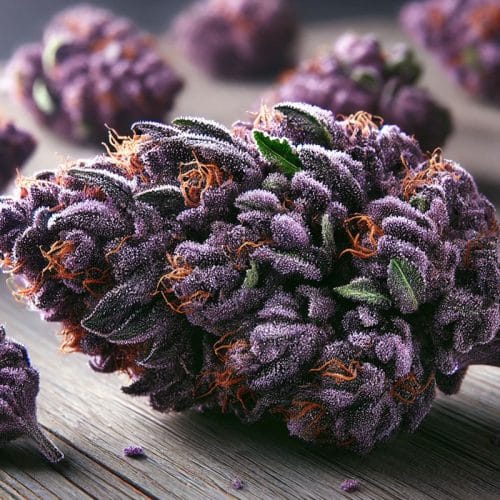
If you’re sourcing dispensary cannabis, the label should tell you its levels of THC and CBD. Ideally, you want a range of strains at your disposal, including one that you find pleasantly uplifting (like Sour Diesel, Jack Herer, and Super Lemon Haze); one you find pleasantly sedating (like Blueberry, Purple Kush, and LA Confidential), and one that’s rich in CBD (like ACDC, Cannatonic, and Harlequin).
Concentrates
When dealing with extreme pain or nausea, it’s reassuring to have a way to quickly inhale a high dose of cannabis. Depending on how concentrates are made, they can have levels of purity from around 50% THC all the way up to 95%.
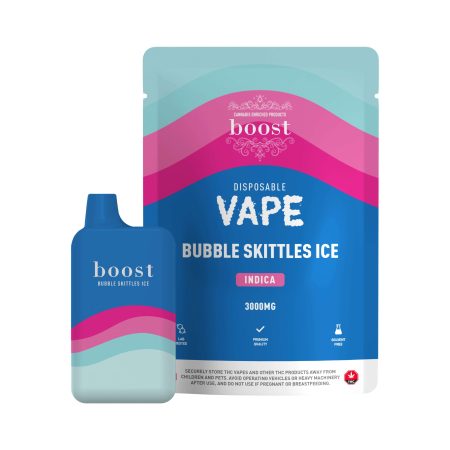
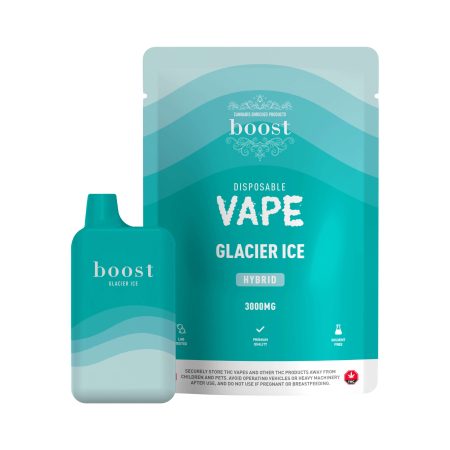
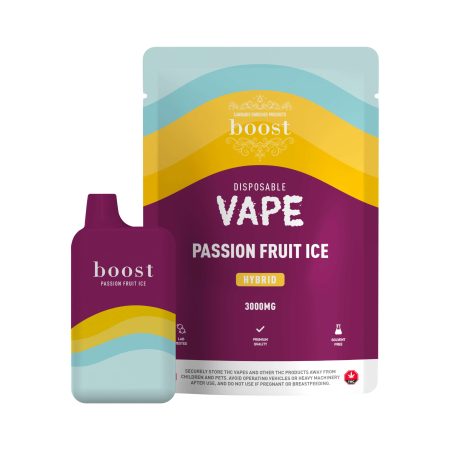
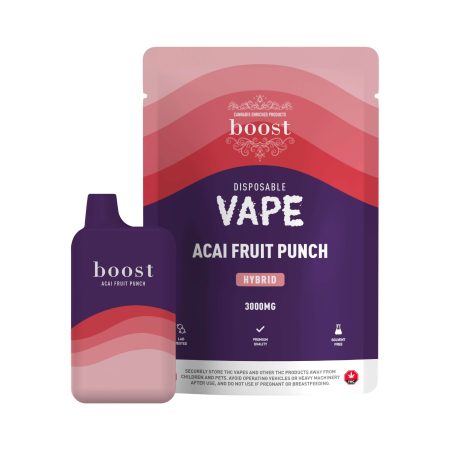
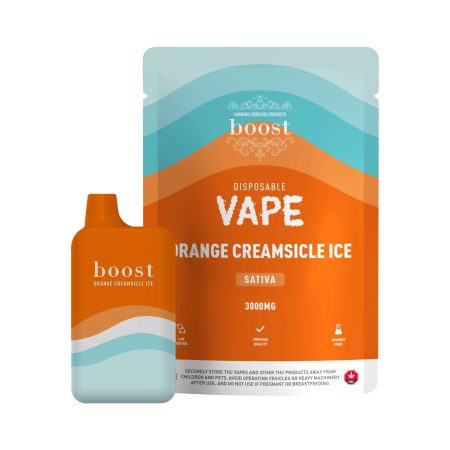
If you’re new to cannabis, a vape pen is a good option for exploring concentrates, as you can inhale small amounts of cannabis oil with ease, and they’re very discreet to use when out of the house. But make sure you research a reputable brand, as the quality of vape pens varies widely.
Dabs are definitely the most efficient way to inhale the most cannabinoids all at once, but they should wait until you’re fairly experienced with cannabis, as it’s a lot to take in. When you’re ready, here’s Leafly’s guide to dabbing.
Cannabis Oil or RSO
Some cannabis patients ingest large doses of cannabis oil in an attempt to not only control symptoms, but to destroy existing cancer cells and prevent the disease’s spread. As mentioned before, research is beginning to show the specific ways cannabis may help control cancer growth. But it’s also led to a rash of overblown claims and “snake oil sales pushes” that target vulnerable patients, so be careful what you buy and who you believe.
Edibles
Again, edibles take up to 90 minutes to onset, and can potentially get you way higher than smoking or vaping because of a chemical conversion that takes place when THC is processed in the liver instead of the lungs. So it’s way easier to overdo it on edibles.
But edibles also have some big advantages: They provide relief for many hours, they’re discreet to carry and consume, you don’t have to inhale smoke, and they can really help you stretch your cannabis budget, particularly if you’re making your own edibles at home. Just follow proper safety protocols.
Tinctures
Prior to the Age of Pharmaceuticals, many prescriptions were delivered to patients via tinctures, a medicinal preparation where an active ingredient is dissolved into a solvent, typically alcohol.
Tinctures give you a smoke-free, vape-free option that still takes effect quickly, since the medicine can be absorbed under the tongue rather than in the stomach. They’re discreet and easy to dose, and you can either make your own at home or find a high quality tincture at a dispensary, including ones that offer a range of different cannabinoid ratios, and even blend in other medicinal herbs along with cannabis.
Topicals
Topicals can be applied directly to the skin wherever you’re feeling pain, so it’s a great way to get targeted all-natural relief of soreness and inflammation without getting high. At a quality dispensary, you can find a wide range of lotions, balms, bath soaks and massage oils, including lines that also blend in other therapeutic herbs.


You must be logged in to post a comment.