








Reviewed and updated: August 2026
THC percentage describes concentration by weight, not the exact intensity a person will feel. On Canadian legal cannabis labels, “Total THC” indicates the amount available after activation. Labels may express THC and CBD as mg/g, a percentage, per unit, per activation or a total package amount. Dose, tolerance and route of use also shape effects.
What does THC percentage mean?
For dried cannabis, THC concentration may be shown as a percentage or milligrams per gram. A useful conversion is that 10 mg/g equals approximately 1% by weight, so 200 mg/g is approximately 20%.
This number describes chemical concentration in the tested product. It does not mean that a consumer absorbs every milligram, nor does it predict an identical experience for everyone.
What is THC potency?
Potency is the concentration or strength of THC in a product. Health Canada identifies products containing 20% THC (200 mg/g) or more as higher-THC products in its health-risk guidance. Extracts can be far more concentrated than dried flower.
Does higher THC mean stronger cannabis?
Higher THC generally increases the potential dose and the risk of strong intoxication, anxiety, impairment and other adverse effects. But perceived strength also depends on the amount used, route of use, tolerance, CBD content, individual response and time since consumption. Terpenes may influence aroma and subjective experience, but they do not make a high-THC product low risk.
How do you read THC and CBD on a Canadian label?
Look for:
- THC and Total THC: THC is the amount present before activation; Total THC estimates the amount available after heating or activation.
- CBD and Total CBD: the corresponding values for CBD.
- mg/g or percentage: common for dried cannabis and extracts.
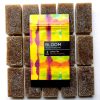
- Per unit: amount in one gummy, capsule or other individual unit.
- Total amount: amount in the entire package.
- Per activation: amount dispensed by one spray or metered action.
Example: four edible units containing 2.5 mg THC each equal 10 mg THC in the package. Do not mistake the package total for the amount in each piece.
What else is on a legal cannabis label?
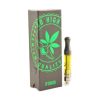
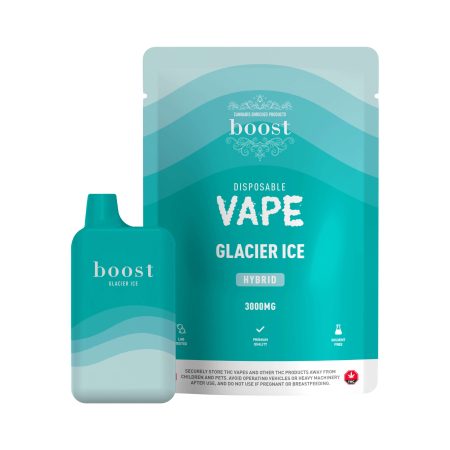
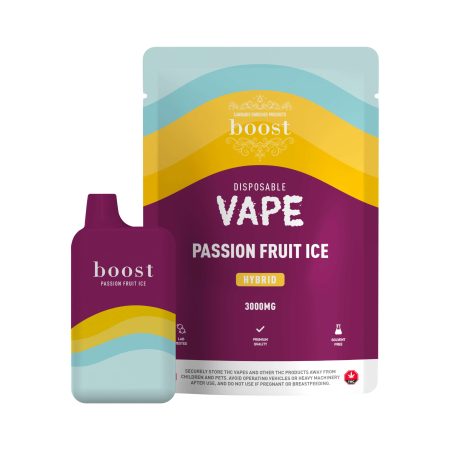
Legal Canadian labels include the product brand, standardized cannabis symbol where required, excise stamp, health warning, product class, net quantity, ingredients where applicable, lot number, packaging date, recommended storage conditions and contact information. Edibles must identify ingredients and relevant allergens, gluten and added sulphites.
An excise stamp generally indicates that the product came from a Health Canada licence holder, with limited exceptions for certain low-THC or prescription products.
Frequently asked questions
Is 25% THC always stronger than 20%?
It contains a higher measured concentration, but the experienced effect is not determined by percentage alone.
Does a CBD label guarantee zero THC?
No. Check both the THC and CBD values.
Can labels remove all risk?
No. Labels support informed choices, but individual responses and delayed effects—especially with edibles—remain important.
Primary source: Health Canada, “How to read and understand a cannabis product label.”


You must be logged in to post a comment.